Answered by a Plant-Based Dietitian
The internet can be a wonderful tool, allowing us to get answers to most of our pressing questions in minutes. It can also be confusing and inconsistent, especially in the world of nutrition, where the information presented is not always accurate.
As a dietitian who focuses on plant-based nutrition, I am naturally often asked questions about plant-based eating- some more frequently than others. Check out the answers to 10 of the most common questions I get asked about plant-based eating below!
What does ‘plant-based’ mean and why are plant-based diets healthy?
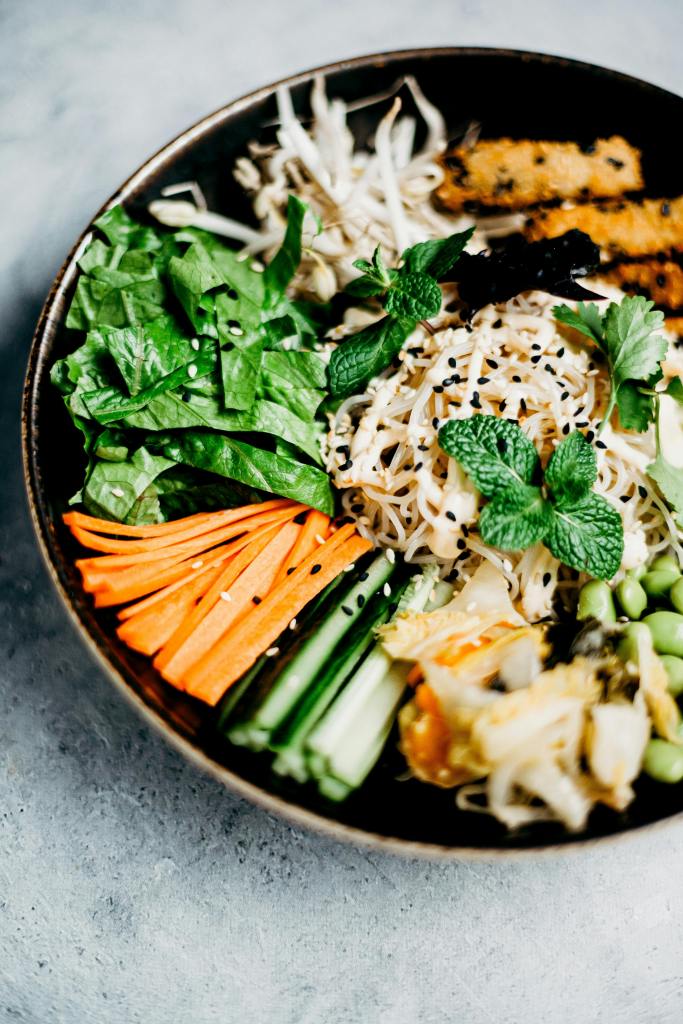
As a relatively new term, there is currently no established definition for ‘plant-based’; however, a plant-based diet can be defined as a diet made up of mostly plant foods (e.g. vegetables, fruits, whole grains, legumes, nuts and seeds) where animal foods may or may not be included. Within this broader category, a plant-based eater may follow one of the more specific dietary patterns such as vegan or vegetarian.
Keep in mind that regardless of which plant-based diet you follow, the benefits of a plant-based diet come from, well, plants. Eating more plant foods results in higher intakes of fibre and other important nutrients, and lower intakes of saturated fat, which can help protect against chronic diseases like heart disease and type 2 diabetes. Plant-based diets also have lower impacts on the environment, such as less use of natural resources, than animal-based diets!
Are plant-based diets healthy for everyone?
They can be! Well-balanced plant-based diets can provide us with all of the important nutrients we need for optimal health during all stages of life. Just like with any diet, however, ensuring balance may require some planning.
Can you get enough protein from plant foods?
Yes! There are many plant protein-rich foods including soy (e.g. tofu, edamame), beans, peas, lentils, nuts, seeds, and whole grains (e.g. quinoa and brown rice) that can help you meet your protein needs. The key is to consume a variety of plant protein foods throughout the day as most plant sources (except for some like soy & quinoa) are incomplete proteins (meaning they do not have enough of all of the essential amino acids- the building blocks of proteins). So keep mixing it up!
Do I need to take supplements on a plant-based diet?
Supplement needs will vary depending on the individual and the specific dietary pattern being followed; however, there are a few nutrients to keep in mind when consuming largely, if not only, plant foods, including vitamin D, vitamin B12, calcium, iron, zinc, iodine, omega-3 fatty acids, and riboflavin. You should speak to your dietitian and/or doctor regarding your specific supplement needs and before starting any new supplements to make sure you are meeting your needs safely.
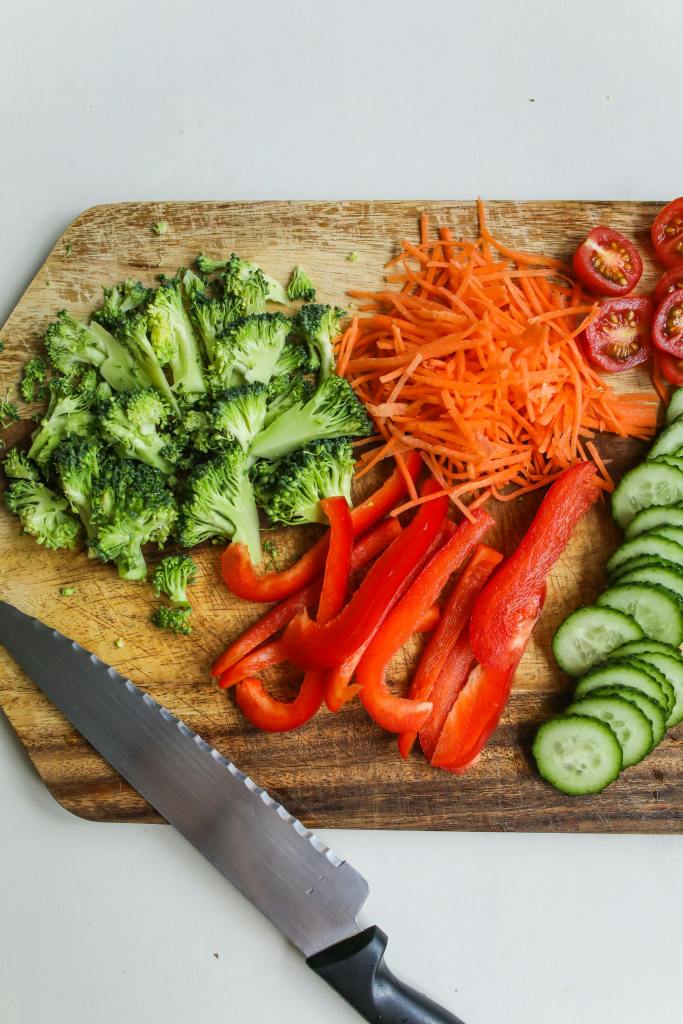
How can I eat more vegetables?
Vegetables have important nutrients like fibre, vitamins, and minerals, and can help lower our risk of chronic diseases. Some tips to help you eat more vegetables include:
- Pre-cut vegetables and keep them in the fridge for a quick and healthy snack or to conveniently throw into any meal
- Pair your favourite veggies with your favourite dips/spreads
- Make vegetable-based soups or add finely chopped veggies to any soup
- Try different veggie sides like roasted carrots and broccoli, grilled kebabs, or stuffed bell peppers or add more veggies to sides like guacamole
- Add carrots and peas to rice and bell peppers and mushrooms to pasta
- Purée vegetables into sauces
- Add zucchini, spinach, onions, and bell peppers to dishes like stews, chilis, and daals
- Top pizza with mushrooms, zucchini, bell peppers, broccoli, and spinach
- Add sliced or sauteed vegetables to sandwiches, burgers, and wraps
- Add spinach/kale, celery, or carrots to smoothies
- Add spinach to pretty much anything
- Mix it up! Aim to incorporate a variety as different vegetables offer different nutrients.
Note: Fresh, frozen, and canned vegetables can all be healthy options. Just try to choose those with little to no added salt, sugar, and saturated fat.
Is plant-based eating expensive?
It doesn’t have to be! As with any dietary pattern, how much you are spending really depends on what you are buying. Just because you go plant-based doesn’t mean your monthly grocery bill needs to increase. In fact, the opposite may be true! Plant protein foods, like legumes, are often the more cost-effective choice. Other tips to help save on grocery costs include purchasing produce that’s in season and purchasing freezer and pantry items on sale in bulk!

Are soy foods safe?
While there seems to be some fear surrounding eating soy, available evidence does not suggest safety concerns or negative health effects with regular soy intake for the general, healthy population. Instead, soy consumption may be associated with some health benefits but more research is needed. I would encourage, as with most foods, a moderate intake of soy foods as part of a balanced diet!
Note: Individuals with certain health conditions may need to pay attention to their soy intake. It’s recommended to speak with your doctor regarding individualized recommendations.
How can I start eating plant-based?
At a pace that works for you! Remember, the benefits of plant-based diets come from including more plant foods, but how you choose to start doing that is up to you! You may start by including one vegetable with dinner or you may decide to cut out meat altogether. There is no right way to start eating plant-based and it definitely does not have to be all or nothing. I would recommend seeing a plant-based dietitian who can help you successfully, and enjoyably, transition to your preferred plant-based diet.

Do I need to eat dairy to get enough calcium?
Not necessarily! While dairy foods are an easy way to consume enough calcium, there are a variety of calcium-rich plant foods that can help you meet your needs. Plant sources of calcium include soy (e.g. edamame, calcium-set tofu), dark green vegetables (e.g. broccoli, kale), nuts/seeds (e.g. almonds, chia seeds), and fortified foods. Some plant sources of calcium (e.g. spinach, Swiss chard) contain higher amounts of compounds that bind to calcium and prevent it from being absorbed, so these foods are not relied on to meet calcium needs. Remember that it’s also important to consume enough vitamin D which helps our bodies absorb calcium.
Are meat alternatives healthy?
Meat alternatives, like vegan ‘burgers’, ground ‘beef’, and veggie ‘sausages’, are often made from soy or vegetable bases and can be a fun and familiar (for new plant-based eaters) way to increase your protein and/or vegetable intake. These products, however, are often higher in salt, so I would recommend opting for varieties lower in sodium and saturated fat and determining how these foods can fit into your overall diet. Making homemade versions of these alternatives (e.g. black bean burgers) is also a great option to control the salt and adjust the taste to your liking!
I hope this helps! If you have a question about plant-based eating that wasn’t answered above, ask me in the comments!
Disclaimer: The information on this website is intended for general knowledge and educational purposes only and should not be taken as personalized medical or nutritional advice. Always consult a qualified healthcare provider or registered dietitian before making any changes to your diet, lifestyle, or health routine. While the content reflects current understanding at the time of writing, nutrition science continues to evolve, and newer research may shift current perspectives. The website owner is not responsible for any outcomes resulting from the use or misuse of this information. Your use of this site and its content is entirely at your own discretion and risk. By using this site, you acknowledge and agree to these terms.
Last Updated: February 2022


 nutrikaur.com
Leave a comment