As a Plant-Based Dietitian
As a dietitian, I am naturally asked about my views on all things diet and nutrition including what I consider healthy. I completely understand these questions as it can be very difficult to separate nutrition myths from facts since anything can be posted online regardless of its accuracy. Because of this, you may be feeling like you are not eating healthy or healthy enough and confused about how to improve your diet to make it healthy. You may also try various different strategies to improve your diet, all to end up in the same place or, worse, more confused than when you started. Does any of this sound familiar?
Much of my work as a plant-based registered dietitian involves supporting health and balance in plant-based eaters by sifting through all of the noise online and providing factual information and tips that can be realistically applied to their lives. So, I thought I would draw from these experiences and compile a list of my top 10 healthy eating tips to help support you in practicing healthy and nourishing eating habits sustainably!
Tip #1: Eat more plant foods
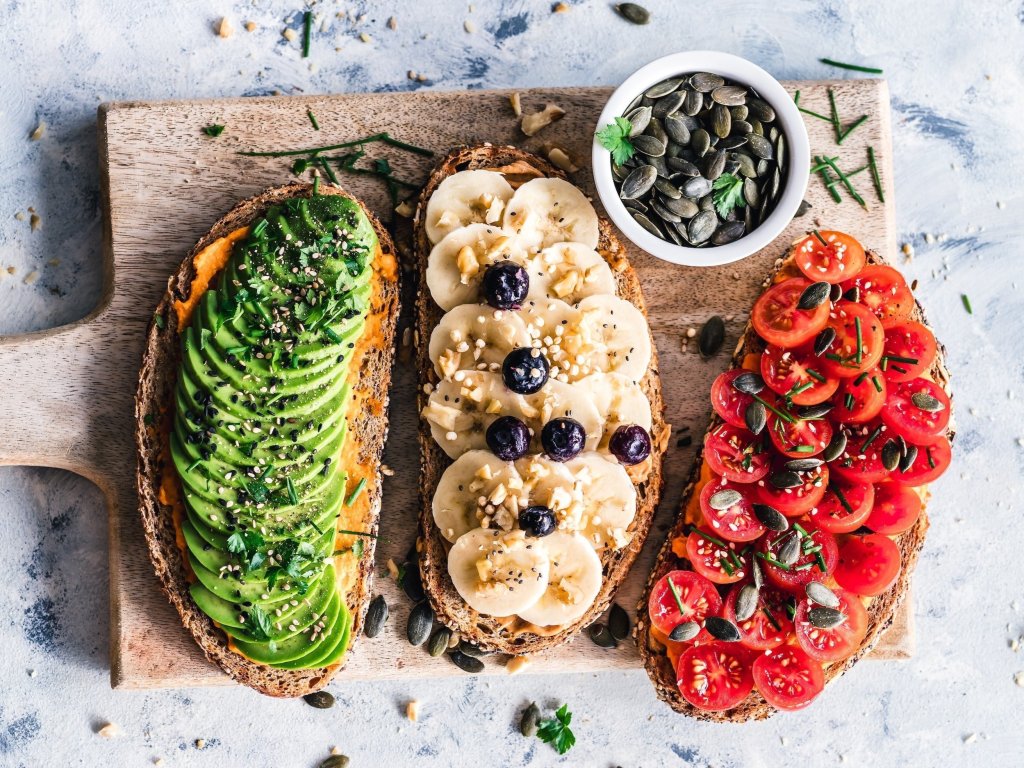
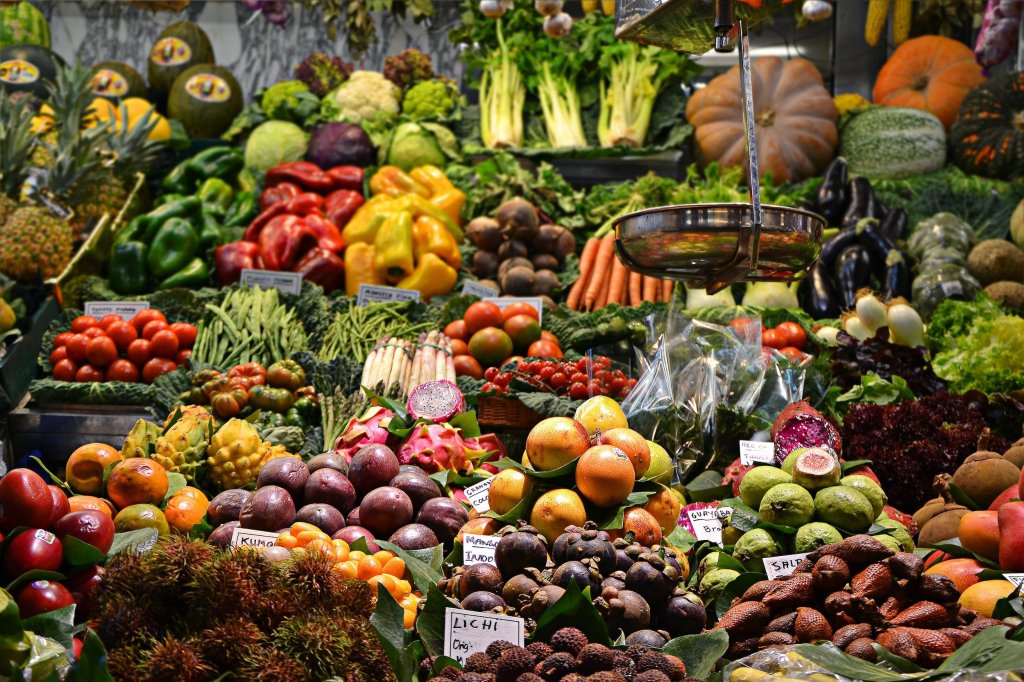
This one may seem obvious coming from a plant-based dietitian, but I think it deserves its own point simply due to the power of plant foods! Plant foods are rich in essential nutrients like fibre, vitamins and minerals, and antioxidants and phytochemicals which play important roles in health promotion and disease prevention/management.
Now, the point here isn’t to go fully plant-based (i.e. vegan) if that doesn’t work for you. It’s simply about recognizing the power of plant foods and trying to eat more of them on a regular basis.

Tip #2: Drink enough water
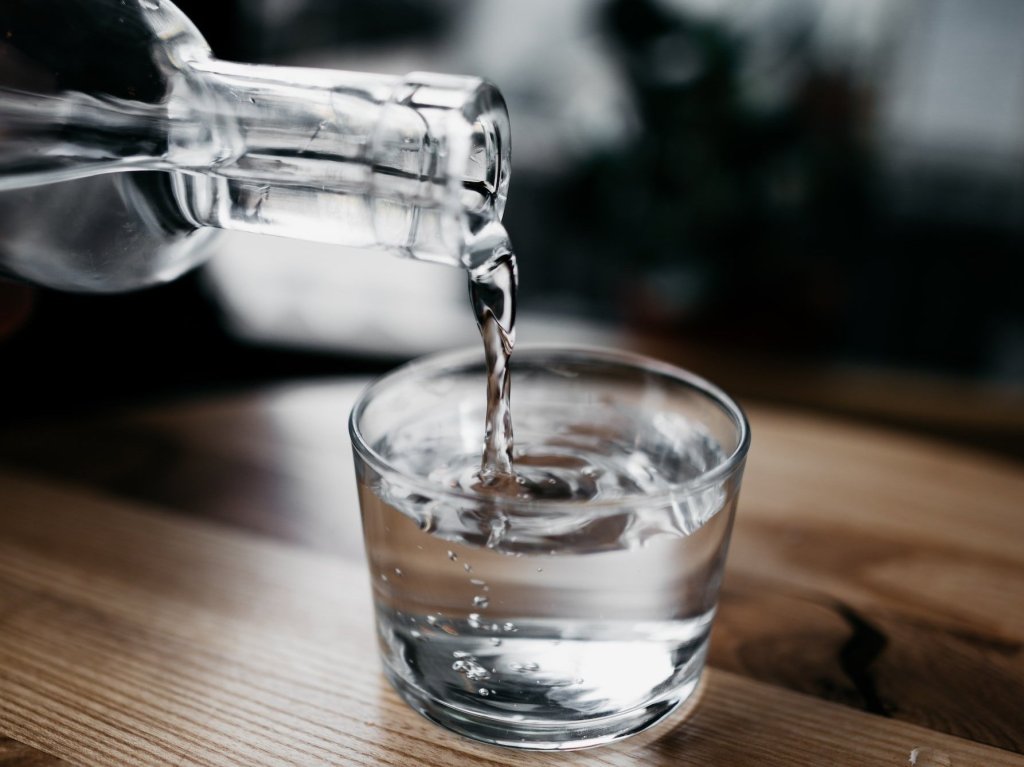
Do you ever notice how you feel when you haven’t had enough water? Not great, right? Water has many important roles in the body and when we don’t drink enough, we become dehydrated with symptoms like constipation, mental fogginess, headaches, and dizziness. You may even feel as though you are hungry when you are actually thirsty. We can become dehydrated before having any symptoms so it’s important to drink fluids regularly with water suggested as the main fluid source. An easy way to tell if you are drinking enough is to watch the colour of your urine. If it is clear or pale/light yellow, you are likely drinking enough. If it is darker yellow, then you may not be drinking enough.
Tip #3: Have a plan
Now, I’m not talking about a diet/meal plan with specific foods and amounts to follow exactly. Rather, I am talking about simply having an idea of what you are going to eat in the near future so you can ensure you have the foods and time needed to prepare nourishing meals and snacks while managing a busy lifestyle. Meal planning does not need to be complicated and can involve taking just five minutes to decide on what meals and snacks you are going to make and when you are going to make them during the upcoming week, for example. This way you will know exactly what you need from the grocery store, saving you time and money, and you will have nourishing meals and snacks that are readily available as you need them. Sounds pretty great, right?

Tip #4: Embrace your culture and preferences
Despite what you may have heard or continue to hear, cultural foods are not unhealthy! In fact, there are many foods native to different cultures around the world that are now making their way to Western culture and being labeled as ‘superfoods’ (I’m sure you’ve seen your fair share of turmeric lattes in coffee shops these days). Even with respect to plant-based diets, while this term is becoming increasingly popular here in the West, there are ethnic, religious and cultural groups around that world that have been consuming vegetarian diets (a type of plant-based diet) for centuries. So, instead of worrying about changing your dietary pattern to match general, Western-based recommendations, I suggest applying these recommendations to your preferred dietary pattern!

Tip #5: Take it one step at a time
When we are motivated to reach our goals, we may want to take big steps toward our goals because we want to see change quickly. I mean, who wouldn’t? But, continuing to take these big steps often does not last very long since our motivation is naturally fluctuating and practicing these big steps can quickly lose its appeal and feasibility. So, while it may seem tempting to set big goals and feel motivated to reach them, it’s really about the small and seemingly insignificant steps in our day to day lives that are going to bring lasting change. Think about how many starts and stops you have had in the past. Now think about if you had just been consistent with those small changes that seemed insignificant (and frankly boring) at the time. You would probably be a lot farther in your health journey, right? Consistency really does add up!

Tip #6: Find your balance
There are so many factors that impact our health, and I am not saying that we shouldn’t care about what we eat, but healthy eating isn’t about eating only the most nutritious foods all of the time. Healthy eating involves recognizing the different roles food has in our lives and includes eating foods we love without guilt. It does not have to be all or nothing! It can be tricky finding your own balance, but it’s absolutely possible and a much more enjoyable way to live. After all, life’s too short to not eat cake!

Tip #7: Include all food groups
Carbs are given a bad rap. This is probably because most of the higher calorie food options often fall in the ‘carb’ category since they are typically made from wheat. But, our bodies NEED carbs for energy and other important nutrients. So, instead of cutting out carbs or completely avoiding ‘bad carbs’, I suggest focusing on what you can add to your diet to build balanced meals and snacks! Rather than worrying about specific foods or food groups, I suggest focusing on the entire meal or snack and including all the major food groups.
Tip #8: Eat regularly and enough
Have you ever found yourself bingeing at the end of a day throughout which you tried to eat less? As we are constantly pressured by the media and society to look a certain way (essentially ‘skinny’ or ‘fit’), it’s natural that the diet messaging that goes along with this is to eat less. There’s plenty of unregulated celebrities who promote starving yourself as ‘normal’ and ‘healthy’, but being hooked up to an IV is not healthy. We need to eat. Period. But since our diet is one of the health factors that is theoretically in our control, commercializing eating has become far too easy and common. We are led to believe that we are always eating too much which leads us to weigh more which means we are unhealthy. But, what if we stopped assuming we all need to lose weight and recognized that we all have different bodies and needs, and that eating enough is crucial for health. It’s time we give our bodies what they need: FOOD.

Tip #9: Cook at home more often
This is not to say that you should never have takeout (I love getting takeout Thai food!), but there are many benefits to cooking and preparing food at home more often such as being able to prepare meals and snacks in batches, deciding what goes into the meals and being able to match it to your preferences and needs, and saving money. Cooking does not need to be fancy or complicated to be tasty and healthy, and being able to choose what you want to make and how you want to make it is a game changer!

Tip #10: Mix it up
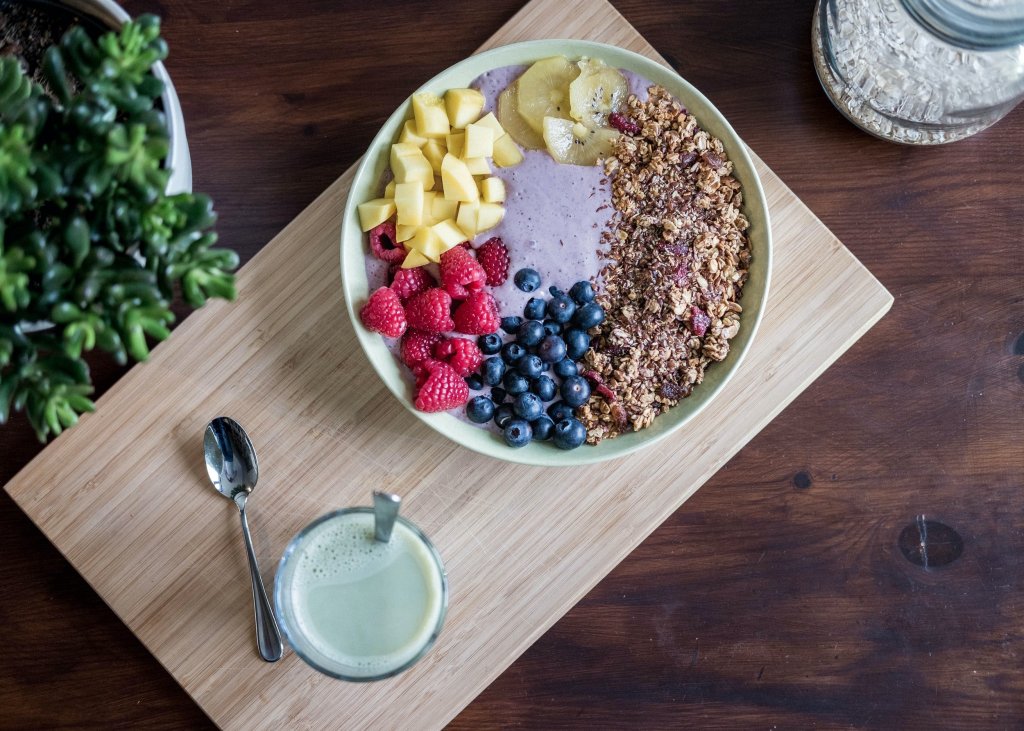
Have you ever heard the term, eat the rainbow? This is because eating a variety of foods allows us to consume a variety of different nutrients since no one food has everything we need. This can be as simple as switching up the types of fruits or seeds you are using as toppings in your morning oatmeal, switching up the grain, veggie, or protein source in your burrito bowl at lunch, or switching up your weekly dinners. While it’s important to mix it up, how you do this (and really how you do anything nutrition-related) is up to you!
If you’re feeling unsure or overwhelmed about your health and nutrition and maybe whether a plant-based way of eating is right for you, I encourage you to see a registered dietitian who focuses on plant-based nutrition (hey there!), to help you sort through the noise, meet your needs, and find your balance.
I hope you found these tips helpful! Let me know in the comments which ones were your favourites or if you have any others that you swear by- I’d love to hear them!
References
- CDC. 2022. “Water and Healthier Drinks”. https://www.cdc.gov/healthyweight/healthy_eating/water-and-healthier-drinks.html
- American Dietetic Association; Dietitians of Canada. 2003. “Position of the American Dietetic Association and Dietitians of Canada: Vegetarian diets”. J Am Diet Assoc. 103(6):748-65. doi: 10.1053/jada.2003.50142. PMID: 12778049.
- Vesanto M, Craig W, and Levin S. 2016. “Position of the Academy of Nutrition and Dietetics: Vegetarian Diets”. Journal of the Academy of Nutrition and Dietetics. 116(12):1970–80. doi:10.1016/j.jand.2016.09.025.
- Rifkin M. 2019. “RD Resources for Consumers: Therapeutic Use of Vegetarian/Vegan Diets in Chronic Disease”. Academy of Nutrition and Dietetics.
- Oussalah A, Levy J, Berthezène C, Alpers DH, Guéant JL. 2020. “Health outcomes associated with vegetarian diets: An umbrella review of systematic reviews and meta-analyses”. Clin Nutr. 39(11):3283-3307. doi: 10.1016/j.clnu.2020.02.037. PMID: 32204974.
- Mann J. 2009. “Vegetarian diets”. BMJ. 339:b2507. doi: 10.1136/bmj.b2507. PMID: 19586977.
- British Dietetic Association. 2021. “Vegetarian, vegan and plant-based diet: Food Fact Sheet”. https://www.bda.uk.com/resource/vegetarian-vegan-plant-based-diet.html
- Miki AJ, Livingston KA, Karlsen MC, Folta SC, McKeown NM. 2020. “Using Evidence Mapping to Examine Motivations for Following Plant-Based Diets”. Curr Dev Nutr. 4(3):nzaa013. doi: 10.1093/cdn/nzaa013. PMID: 32110769; PMCID: PMC7042611.
- Heart and Stroke. “What is a plant-based diet?” https://www.heartandstroke.ca/articles/what-is-a-plant-based-diet
- Government of Canada, Health Canada. 2019. “Canada’s Dietary Guidelines for Health Professionals and Policy Makers”.
- Tomova A, Bukovsky I, Rembert E, Yonas W, Alwarith J, Barnard ND, Kahleova H. 2019. The Effects of Vegetarian and Vegan Diets on Gut Microbiota. Front Nutr. 6:47. doi: 10.3389/fnut.2019.00047. PMID: 31058160; PMCID: PMC6478664.
Disclaimer: The information on this website is intended for general knowledge and educational purposes only and should not be taken as personalized medical or nutritional advice. Always consult a qualified healthcare provider or registered dietitian before making any changes to your diet, lifestyle, or health routine. While the content reflects current understanding at the time of writing, nutrition science continues to evolve, and newer research may shift current perspectives. The website owner is not responsible for any outcomes resulting from the use or misuse of this information. Your use of this site and its content is entirely at your own discretion and risk. By using this site, you acknowledge and agree to these terms.


 nutrikaur.com
Leave a comment